
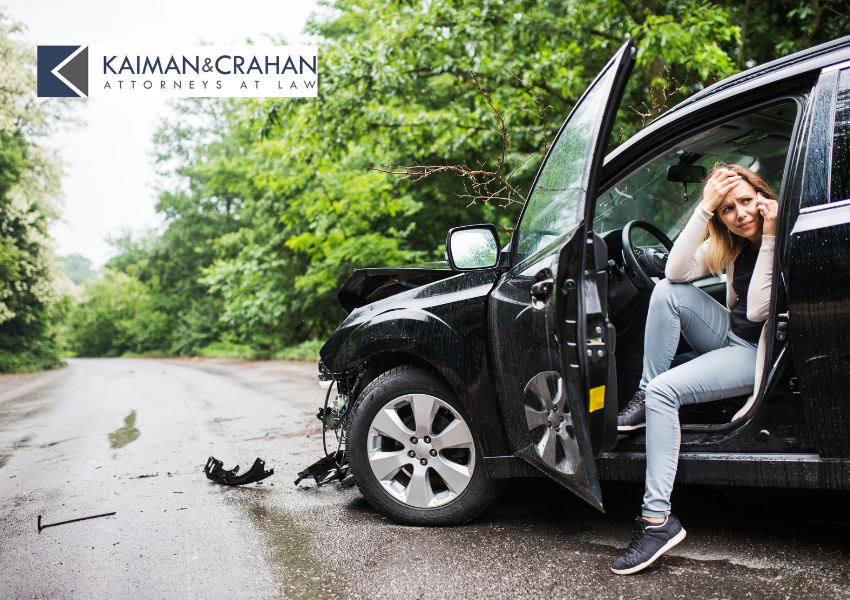
Quick answer: After a hit-and-run accident in Louisville, stay at the scene, call 911 immediately, and gather as much evidence as possible, including witness information, vehicle descriptions, and photos. Report the crash to police within 48 hours per Kentucky law, notify your insurer, and avoid giving recorded statements until you’ve spoken with a Louisville personal injury attorney about your uninsured motorist coverage.
Getting hit by a driver who speeds off leaves you with more than vehicle damage. You’re left with unanswered questions, mounting medical bills, and the frustrating task of proving what happened when the person responsible is nowhere to be found. Louisville drivers face this scenario more often than you might think, and how you respond in the minutes and days afterward can shape whether you receive fair compensation.
This guide walks through exactly what to do after a hit-and-run accident in Louisville, Kentucky, from the moment it happens to the point where legal help becomes necessary.
What to Do Immediately After the Crash
Your actions in the first few minutes matter more than almost anything else that follows.
Check for injuries first. Before anything else, assess yourself and any passengers for injuries. If anyone is hurt, call 911 right away and request medical assistance.
Move to safety if possible. If your vehicle is drivable and blocking traffic, move it to the shoulder or a nearby parking lot. Leaving your vehicle in a dangerous position risks a second collision.
Try to note details about the fleeing vehicle. Even partial information helps. Note the make, model, color, and any part of the license plate you can catch. Direction of travel matters too. These details fade quickly from memory, so write them down or record a voice memo as soon as you’re safe.
Look around for witnesses. Bystanders, nearby businesses with security cameras, or other drivers may have captured footage or seen something useful. Ask for contact information before they leave the scene.
When to Call the Police
Call the police immediately, even if the damage seems minor. In Kentucky, drivers involved in a crash resulting in injury, death, or property damage exceeding $500 are required to report the accident to law enforcement. A hit-and-run complicates this further because the fleeing driver has already broken the law by leaving the scene.
A responding officer will document the crash, file a report, and potentially begin an investigation to track down the other driver using evidence like paint transfer, debris, or witness statements. This official police report becomes a cornerstone piece of evidence for any insurance claim or legal case that follows.
If officers aren’t able to respond right away, Kentucky law gives you up to 48 hours to report a crash. Don’t wait that long if you can avoid it. The sooner the report is filed, the better the chances of identifying the responsible driver and preserving evidence before it disappears.
What Evidence to Collect
Evidence builds the foundation of your case, especially since the at-fault driver isn’t present to provide their side of the story.
Collect as much of the following as you reasonably can:
- Photos and video of the damage to your vehicle, the accident scene, skid marks, and any debris left behind by the other vehicle.
- Witness statements and contact information, including names and phone numbers of anyone who saw the crash.
- Traffic or security camera footage from nearby businesses, traffic signals, or residential doorbell cameras. Footage is often deleted within days, so act quickly.
- Your own medical records, documenting injuries and treatment connected to the crash.
- The police report number, which you’ll need for insurance claims and any legal proceedings.
Keep copies of everything, and avoid relying solely on your phone’s storage. Back up photos and videos to a cloud service or email them to yourself as a precaution.
How Uninsured Motorist Coverage May Apply
Because the driver who caused the crash can’t be identified or located, Kentucky’s hit-and-run victims often turn to their own insurance policy for relief through uninsured motorist (UM) coverage.
Kentucky doesn’t require drivers to carry UM coverage automatically. It’s typically offered as an optional add-on, and insurers must present it to policyholders, who can decline it in writing. If you have UM coverage, it can help pay for medical expenses, lost wages, and other damages that would otherwise go uncompensated since there’s no at-fault driver to pursue.
Choose to file a UM claim if your policy includes this coverage and the at-fault driver cannot be identified or lacks sufficient insurance. Without UM coverage, you may need to rely on your health insurance and personal injury protection (PIP) benefits, which carry their own limitations and requirements under Kentucky’s no-fault insurance system.
Review your policy declarations page or contact your insurance agent to confirm whether UM coverage applies to your situation. This step is often overlooked in the chaos following a crash, yet it can make a significant financial difference.
What Not to Say to Insurers
Insurance adjusters, including your own, aren’t working against you exactly, but their job involves minimizing payouts. What you say in the early stages of a claim can be used to reduce or deny compensation later.
Avoid these common mistakes:
- Don’t guess about fault or details you’re unsure of. Stick to facts you’re confident about, and say “I don’t know” when that’s the honest answer.
- Don’t downplay your injuries. Saying “I’m fine” or “it’s not that bad” in the immediate aftermath can be used against you if injuries turn out to be more serious than initially apparent.
- Don’t give a recorded statement without guidance. Insurers often request recorded statements early, before you fully understand the extent of your injuries or damages. You’re not obligated to provide one immediately.
- Don’t accept a quick settlement offer. Early settlement offers are often lower than what you’re entitled to, especially before the full scope of medical treatment is known.
Choose to speak with an attorney before providing any recorded statement if your injuries are significant or if the claims process feels confusing. This protects you from inadvertently weakening your own case.
When to Contact a Louisville Personal Injury Attorney
Not every hit-and-run requires legal representation. A minor fender-bender with no injuries and clear insurance coverage might resolve itself without a lawyer. But several situations call for professional legal guidance.
Contact a Louisville personal injury attorney if:
- You’ve suffered injuries requiring medical treatment.
- The insurance company disputes your claim or offers a settlement that doesn’t cover your expenses.
- The at-fault driver is never identified and you need help navigating a UM claim.
- You’re unsure whether your policy’s UM coverage applies to your situation.
- You’re facing pressure from an insurer to provide a recorded statement or sign documents you don’t fully understand.
An attorney familiar with Kentucky’s insurance laws and Jefferson County courts can help interpret your policy, negotiate with insurers, and pursue compensation that reflects the actual cost of your injuries, not just what an adjuster initially offers.
Protecting Yourself After a Hit-and-Run
A hit-and-run accident puts you in a frustrating position: dealing with damage and injuries while the responsible party disappears. But the steps you take immediately afterward, from calling the police to documenting evidence to understanding your UM coverage, directly affect your ability to recover fair compensation.
If you’ve been involved in a hit-and-run accident in Louisville and aren’t sure what your next move should be, Kaiman & Crahan, Your Louisville Attorneys, offer free consultations to help you understand your options. Reach out today to protect your rights and get the guidance you need to move forward.
Frequently Asked Questions
How long do I have to report a hit-and-run accident in Kentucky?
Kentucky law requires drivers to report accidents involving injury, death, or property damage over $500 within 48 hours. Reporting sooner, ideally at the scene, improves the chances of identifying the at-fault driver.
What if the hit-and-run driver is never found?
If the responsible driver can’t be located, your uninsured motorist coverage, if you have it, may help cover medical bills, lost wages, and other damages. Without UM coverage, you may need to rely on health insurance or PIP benefits.
Will my insurance rates go up after a hit-and-run claim?
Filing a claim for a hit-and-run you didn’t cause typically shouldn’t raise your rates the way an at-fault accident would, though this can vary by insurer. Check with your agent to understand how your specific policy handles these claims.
Do I need a lawyer for a hit-and-run accident?
You don’t always need one, but legal help becomes valuable if you’ve suffered injuries, face disputes with your insurer, or need assistance navigating an uninsured motorist claim.
What should I avoid doing after a hit-and-run accident?
Avoid leaving the scene before help arrives, giving recorded statements to insurers without guidance, downplaying your injuries, or accepting an early settlement offer before understanding the full extent of your damages.