
Experiencing a life-changing accident can leave lasting effects, both physically and emotionally. For those who sustain permanent injuries, the road to recovery often involves not just healing but adapting to an entirely new way of life. While the challenges are significant, it’s important to remember that you can build a fulfilling life, even after such an event. This guide will walk you through practical advice and emotional support for navigating this profound transition.
Coping with Emotional Challenges
One of the first hurdles after sustaining a permanent injury is coming to terms with the emotional impact. It’s normal to feel a range of emotions—grief, anger, fear, or even helplessness. These feelings are valid, but they don’t have to define your future.
- Seek Support Early
Talking to a trusted friend, family member, or professional can make a world of difference. Therapists or counselors who specialize in trauma or disability can help you work through your emotions in a healthy and productive way. Joining a support group can also provide valuable connections with people who’ve had similar experiences and can offer unique insights.
- Practice Self-Compassion
Adjusting to a new reality takes time. Be patient with yourself during this process. Celebrate small wins, like mastering a new skill or completing a daily task, to build your confidence and self-esteem.
- Consider Mindfulness Techniques
Practices like meditation, journaling, or deep breathing exercises can help ease feelings of anxiety and keep you grounded. Apps and online resources can guide you through these techniques if you’re new to them.
Remember, emotional recovery is just as crucial as physical healing. It’s not about ignoring difficult feelings, but rather learning how to manage them and find constructive ways to move forward.
Focus on Physical Rehabilitation
For many, the road to physical recovery starts with medical treatments and rehabilitation therapies aimed at improving functionality and quality of life. Though progress may feel slow at times, each step forward is a victory.
- Work Closely with Specialists
Physical therapists, occupational therapists, and other healthcare professionals are invaluable in creating a focused recovery plan tailored to your specific needs. They’ll help you regain strength, mobility, and independence to the best of your ability.
- Adopt Assistive Technology
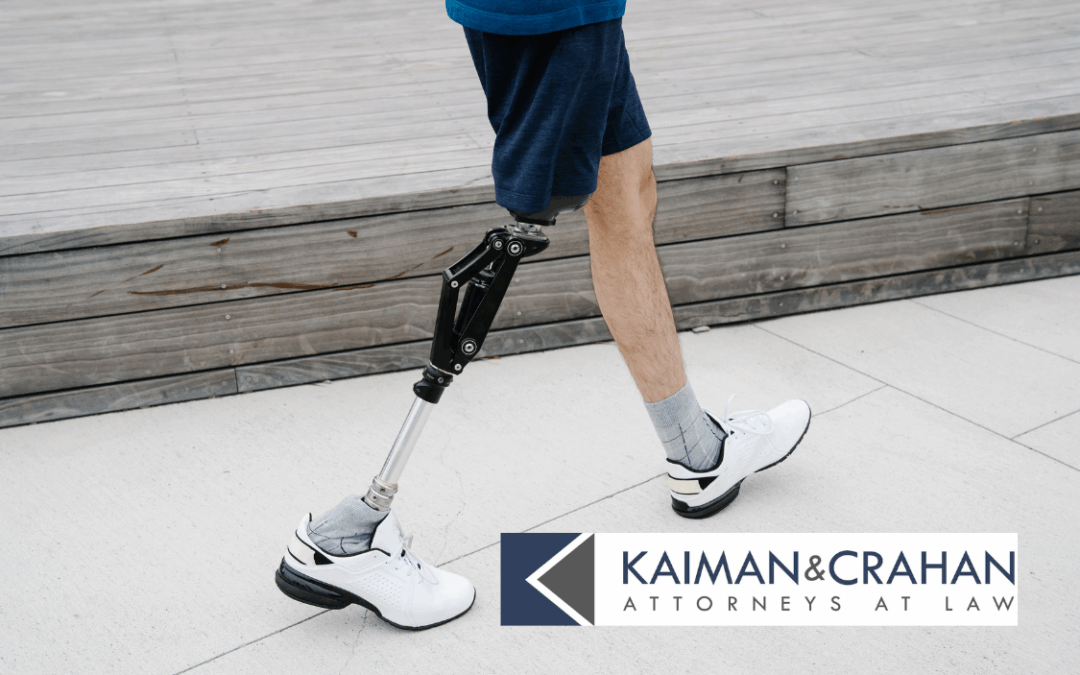
Advances in assistive devices, from prosthetics to wheelchairs and other mobility aids, can empower you to perform daily activities with increased ease. Be open to exploring these options and ask healthcare providers for recommendations tailored to your lifestyle.
- Engage in Adaptive Fitness
There are countless modified exercise programs designed for individuals with permanent injuries. These programs improve physical strength and mental health while allowing you to reconnect with your body in new ways.
Navigating Legal and Financial Considerations
Permanent injuries often come with ongoing medical costs, lost income, and lifestyle changes that could strain your finances. Seeking legal advice can help you secure the resources you need to rebuild your life.
- Understand Your Rights
If your injury was caused by someone else’s negligence, you might be entitled to compensation. This could cover medical bills, lost wages, and even pain and suffering. Consult an experienced personal injury attorney who can guide you through the legal process and advocate for your rights.
- File for Disability Benefits
Government programs provide financial assistance for individuals living with disabilities. Your lawyer or a social worker can help you determine your eligibility and guide you in navigating the application process.
- Plan for the Long Term
Work with financial advisors to set up a plan that supports your current and future needs. Whether you’re managing medical expenses, seeking education or training for a new career, or planning for long-term care, a sound financial plan can offer peace of mind.
Adapting to a New Lifestyle
Adjusting to a new way of life goes beyond the physical and financial; it often involves redefining what independence and fulfillment mean to you. While this process is deeply personal, there are universal strategies that can help.
- Redesign Your Living Space
Modifying your home to fit your needs is crucial for maintaining independence. Consider adjustments like ramps, grab bars, wider doorways, or smart technology. Occupational therapists can assess your home and recommend changes to make it safer and more accessible.
- Explore Career Opportunities
If your previous job isn’t viable, consider roles that accommodate your abilities. Vocational rehabilitation services provide training and resources to help you transition into a position that matches your strengths and interests.
- Find Opportunities for Growth
Hobbies, volunteering, or community involvement can provide a sense of purpose and connection. Whether it’s taking up painting, mentoring others, or engaging in advocacy efforts, these activities can bring new meaning and joy into your life.
Looking Forward with Hope
Dealing with a permanent injury is undeniably challenging, but it’s crucial to focus on the possibilities that lie ahead. Many individuals find strength and inspiration in redefining their goals and adapting in ways they never thought possible. Remember, you don’t have to face this transformation alone. Lean on your support network, utilize professional resources, and take one step at a time toward crafting the life you deserve.
Most importantly, allow yourself the grace to grow. While life after an accident may look different, it can still be rich, rewarding, and uniquely yours.